
• Hausa Edition
  • Podcast
  • Conferences
  • LeVogue Magazine
  • Business News
  • Print Advert Rates
  • Online Advert Rates
  • Contact Us
Thursday, September 10, 2026
Leadership Newspapers
No Result
View All Result
  • Home
  • News
  • Politics
  • Business
  • Sport
    • Football
  • Health
  • Entertainment
  • Education
  • Opinion
    • Editorial
    • Columns
  • Others
    • LeVogue Magazine
    • Conferences
    • National Economy
  • Contact Us
Hausa Edition
  • Home
  • News
  • Politics
  • Business
  • Sport
    • Football
  • Health
  • Entertainment
  • Education
  • Opinion
    • Editorial
    • Columns
  • Others
    • LeVogue Magazine
    • Conferences
    • National Economy
  • Contact Us
No Result
View All Result
Leadership Newspapers
No Result
View All Result

THINGS REMEMBERED: Suya: A Delicacy Loved By Most Nigerians

Richard Abu by Richard Abu
6 months ago
in Feature
suya 2
Share on WhatsAppShare on FacebookShare on XTelegram

It is one of Nigerian delicacies that is found in virtually every part of Nigeria. It is also loved and cherished by people of all ages.

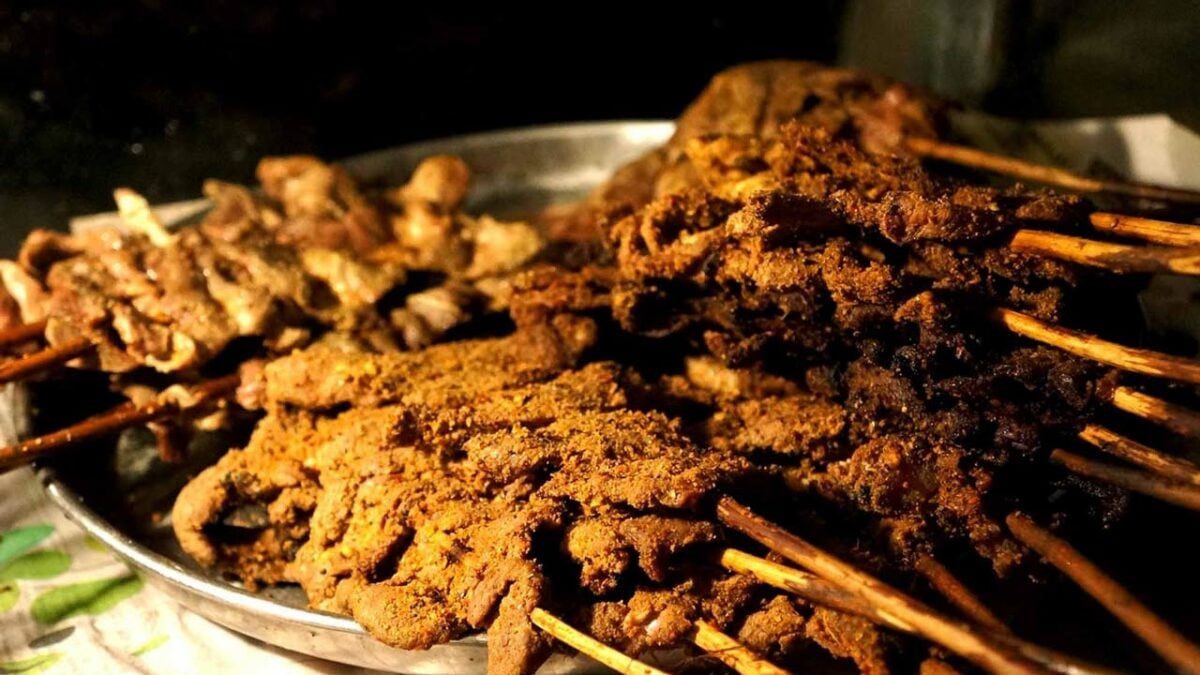
As dusk settles and the air cools, a familiar aroma begins to waft through neighbourhoods and roadside corners. It is the unmistakable scent of suya—Nigeria’s beloved spiced meat delicacy—drawing people of all ages to makeshift grills and roadside vendors in villages and towns.

Suya, traditionally prepared by the Hausa people of northern Nigeria, has grown beyond its cultural roots to become a national culinary treasure. From the busy markets of Kano to the vibrant nightlife of Lagos and the refreshing air of Abuja, the nation’s capital, suya stands tall as a unifying street food enjoyed by millions.

Prepared by skewering thin slices of beef, ram, or chicken, the meat is generously coated in a unique blend of spices—commonly known as “yaji”—before being grilled over open flames. The result is a smoky, spicy, tender delicacy, often served with sliced onions, tomatoes, and cabbage, and sometimes accompanied by local staples such as bread or pap.

For many Nigerians, suya is more than just food; it is a social experience. Roadside suya spots often transform into informal gathering hubs where friends, families, and colleagues unwind after a long day. Young people, in particular, find these settings appealing for relaxation and casual conversation, while older patrons relish the nostalgic flavours that connect them to simpler times.

“I have been eating suya since I was a child,” said Musa Abdullahi, a civil servant in Abuja. “No matter how many modern restaurants come up, suya remains special. It reminds me of home.”

Health experts, however, advise moderation in consumption. While suya is rich in protein, excessive intake—especially when heavily spiced or charred—may pose health risks. Nonetheless, its popularity continues to soar, with vendors adapting to changing consumer preferences by offering varieties such as low-spice options and hygienically prepared servings.

In recent years, suya has also found its way into upscale eateries and international menus, showcasing Nigeria’s rich culinary heritage to the world. Food enthusiasts and tourists visiting the country often rank suya among must-try local dishes, further cementing its status as a cultural ambassador.

RELATED NEWS

E-Invoicing: NRS’ Way To Smarter Compliance

TETFund: Closing Nigeria’s Digital Gap In Tertiary Institutions

CBN’s Automated AML/CFT Standards Tighten Financial Crime Controls, Put Banks On Terror Financing Alert


Despite challenges such as fluctuating meat prices and concerns over food safety, suya vendors remain resilient. Many have built thriving businesses, contributing to local economies and providing employment opportunities, particularly for young people.

We’ve got the edge. Get real-time reports, breaking scoops, and exclusive angles delivered straight to your phone. Don’t settle for stale news. Join LEADERSHIP NEWS on WhatsApp for 24/7 updates →

Join Our WhatsApp Channel


Nigerians can invest ₦2.5million on premium domains and earn about ₦17-25Million. Earnings in USD. Rather than wonder, click here to find out how it works

Richard Abu

Richard Abu

Richard Abu is Deputy Editor of Leadership Newspaper, a senior journalist with extensive experience in editorial leadership across multiple titles at Leadership and other major Nigerian newspapers.

OTHER NEWS UPDATES

NRS Accredits Pillarcraft As e-Invoicing System Integrator
Business

E-Invoicing: NRS’ Way To Smarter Compliance

5 hours ago
Echono Emerges 2025 Personality Of The Year
Feature

TETFund: Closing Nigeria’s Digital Gap In Tertiary Institutions

5 hours ago
CBN’s Automated AML/CFT Standards Tighten Financial Crime Controls, Put Banks On Terror Financing Alert
Feature

CBN’s Automated AML/CFT Standards Tighten Financial Crime Controls, Put Banks On Terror Financing Alert

7 hours ago
Next Post
FG Launches National Single Window To Cut Trade Costs, Boost Growth

FG Launches National Single Window To Cut Trade Costs, Boost Growth

Advertisement

LATEST UPDATE

Joe Biden Gives Update On Prostate Cancer Battle

20 minutes ago

NAFDAC Has No Control Over Traditionally Packaged Yam, Fufu, Moi Moi, Ogi — DG

50 minutes ago

2027: I’ll Retain Tinubu’s Naira Float Policy If Elected – Obi

59 minutes ago

2027: No New Roads, Buildings Until Existing Ones Are Fixed — Peter Obi

1 hour ago

FULL LIST: 32 Banks, Fintechs, Others To Buy Dangote Refinery IPO

1 hour ago
Load More
Advertisement
Facebook Twitter Instagram Youtube Whatsapp

© 2026 LEADERSHIP Media Group - All Rights Reserved | Hausa | Online Casino.

No Result
View All Result
  • Home
  • News
  • Politics
  • Business
  • Sport
    • Football
  • Health
  • Entertainment
  • Education
  • Opinion
    • Editorial
    • Columns
  • Others
    • LeVogue Magazine
    • Conferences
    • National Economy
  • Contact Us

© 2026 LEADERSHIP Media Group - All Rights Reserved | Hausa | Online Casino.