
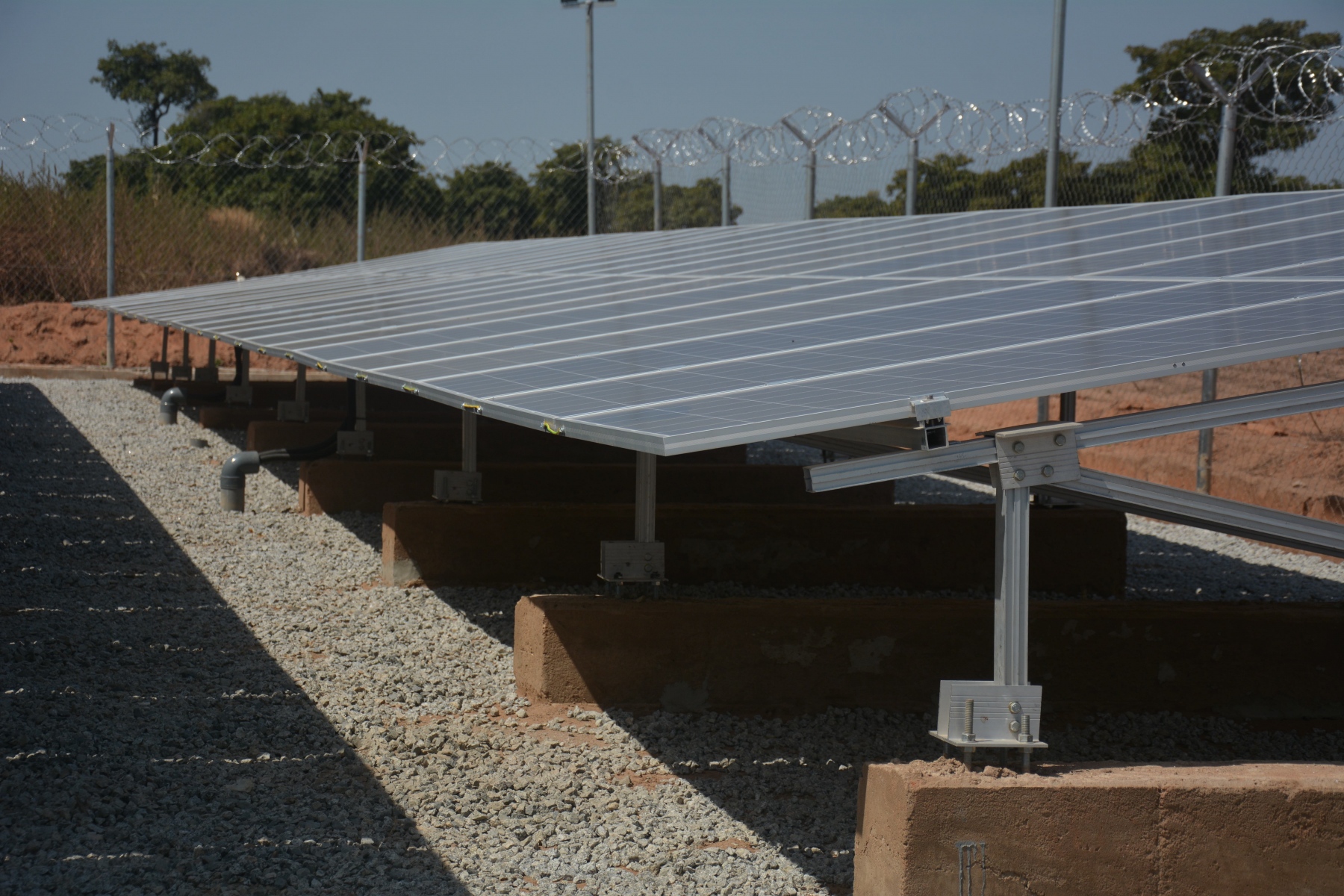
The United Nations has cited Nigeria’s use of targeted subsidies for rural mini-grids as a model for lowering electricity costs, attracting private investment and expanding access to reliable power in underserved communities.
The endorsement is contained in the UN’s World Social Report 2026: The New Economics of Social Inclusion, which spotlighted the Nigeria Electrification Project (NEP) as a successful policy intervention in affordable energy access.
According to the report, the strategic subsidisation of rural mini-grids significantly reduced retail tariffs for vulnerable populations while unlocking substantial private capital.
It said the initiative supported the deployment of 125 mini-grids and catalysed the distribution of more than one million Solar Home Systems (SHS).
“Through these interventions, more than five million Nigerians now have access to reliable power, backed by targeted subsidies, lifeline tariffs, and pay-as-you-go financing models designed to ensure long-term affordability and widespread access,” the report read in part.
The UN said targeted subsidies and differential pricing frameworks remain vital to ensuring an equitable energy transition. It added that prioritising energy efficiency and off-grid solutions in low-income areas could help developing countries secure high-yield returns on investment, reduce energy-access disparities and stimulate local enterprise.
The report also commended Nigeria for achieving significant milestones in expanding reliable energy access at lower cost, noting that off-grid interventions had connected over five million people and created more than 5,000 green jobs.
It further recognised the Rural Electrification Agency (REA) for expanding modern energy infrastructure to unserved and underserved communities across the country.
Nigeria and Ghana were also commended for leading innovative agrivoltaics projects that integrate solar installations directly onto working farmlands. According to the report, the model enables communities to transform food and energy systems simultaneously by harvesting sunlight twice on the same plot of land to optimise agricultural yields and clean power generation.
Reacting to the global recognition, the Managing Director and Chief Executive Officer of the REA, Abba Aliyu, said the report validated the agency’s core philosophy that rural electrification extends beyond counting megawatts.
“It is about building an energy ecosystem that drives economic productivity and uplifts livelihoods,” he said.
Aliyu also commended President Bola Ahmed Tinubu for championing the world’s largest publicly funded renewable energy portfolio, noting that the agency had facilitated over 1,000 mini-grid installations nationwide.
He added that the REA’s expanding footprint continued to strengthen agro-processing, raise agricultural yields, and bolster national food security by powering irrigation systems, cold storage facilities, and rural cottage industries.
He cited the recent commissioning of a one-megawatt mini-grid project in Gombe State as an example of the agency’s impact.
We’ve got the edge. Get real-time reports, breaking scoops, and exclusive angles delivered straight to your phone. Don’t settle for stale news. Join LEADERSHIP NEWS on WhatsApp for 24/7 updates →
Join Our WhatsApp Channel